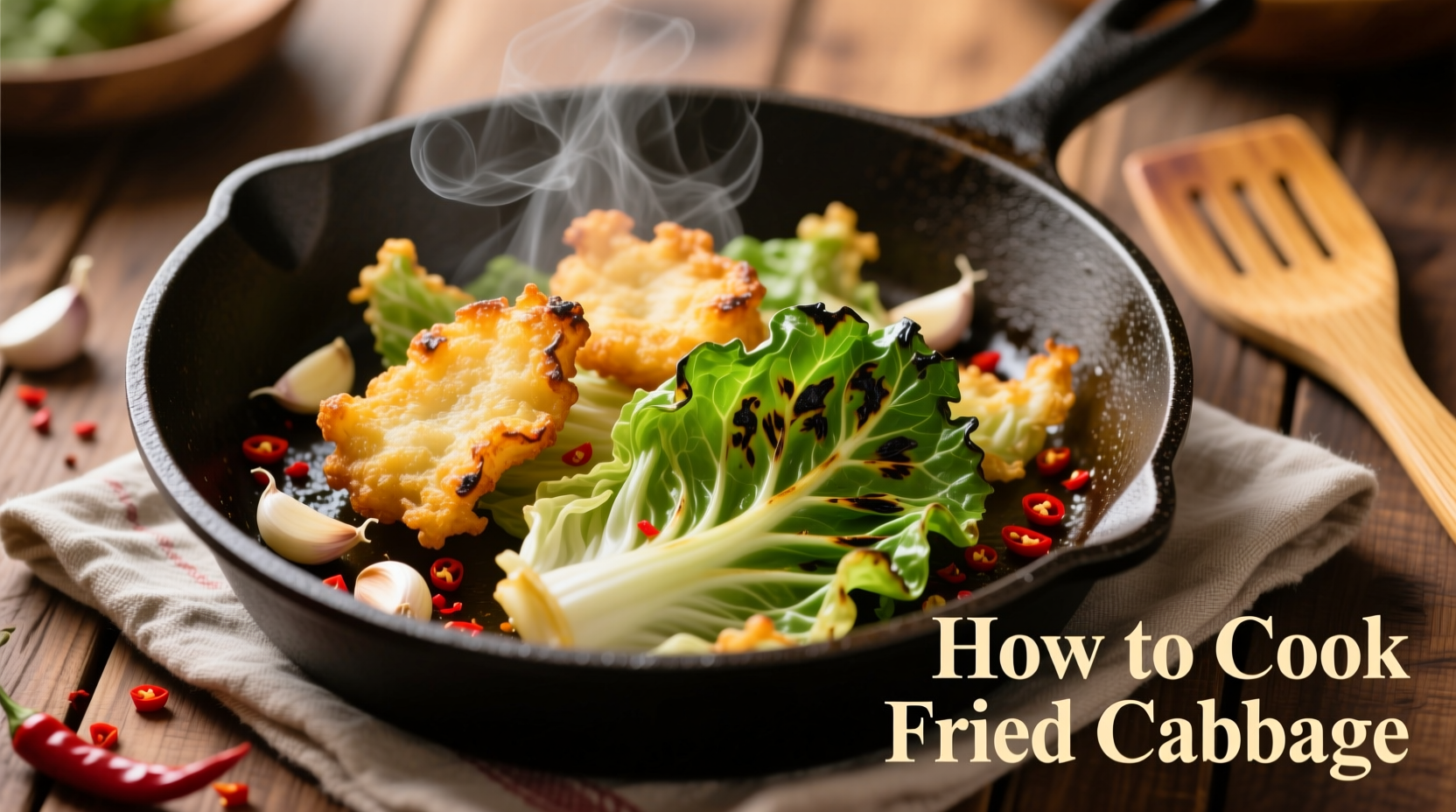
Mastering Crispy Fried Cabbage: Secrets to Flavor & Sear
Forget everything you thought you knew about bland, watery cabbage. When prepared correctly, this humble cruciferous vegetable transforms into a crispy, caramelized, and intensely savory superstar – a side dish so addictive, it often steals the show. Mastering the art of truly delicious
fried cabbage isn't about a complicated recipe; it's about understanding a few fundamental principles that unlock its incredible potential. Get ready to experience a dish that's quick to prepare, budget-friendly, and bursting with flavor and tantalizing texture.
This isn't just about cooking cabbage; it's about a culinary metamorphosis where simple ingredients yield extraordinary results. We're talking about a golden-brown exterior with tender-crisp edges, infused with rich, savory notes and a subtle sweetness that makes every bite irresistible. Whether you're looking for the perfect accompaniment to a hearty meal or a satisfying standalone bite, the secrets we're about to share will ensure your
fried cabbage is a triumph every single time.
The Culinary Journey of Fried Cabbage: From Ancient Roots to Modern Tables
The story of
fried cabbage is a rich tapestry woven through various cultures and centuries. While widely celebrated today as a staple in both traditional Irish cuisine and Southern American comfort food, cabbage itself boasts an impressive culinary lineage stretching back over 4,000 years. Records from as early as 1000 BC in China lauded its versatility, demonstrating its long-standing appeal as an accessible and nutritious vegetable. This enduring popularity is reflected in the global cabbage market, valued at a staggering USD 11.4 billion, a testament to how much home cooks worldwide cherish this budget-friendly ingredient.
In Ireland,
fried cabbage holds a special place, often gracing tables during St. Patrick's Day celebrations, served alongside classics like Guinness Corned Beef or Lamb Stew. Its robust flavor and satisfying texture make it a natural partner to rich, hearty proteins. Across the Atlantic, in the Southern United States, it has been embraced and adapted, becoming a much-loved, soul-satisfying side dish. Here, it often takes on a smoky character, perfectly complementing dishes from roast chicken to creamy Cajun fare. Regardless of its regional interpretation, this simple yet profoundly flavorful dish has earned its reputation as a crowd-pleaser, bridging the gap between historical tradition and modern cravings. To dive deeper into its fascinating history and cultural significance, check out our article:
Fried Cabbage: From Irish Roots to Southern Comfort Dish.
Unlocking the Maillard Magic: The Science Behind Crispy Fried Cabbage
The true secret to phenomenal
fried cabbage lies not in a lengthy ingredient list, but in mastering a few simple elements that work in perfect harmony. At its core, we're leveraging the incredible power of the Maillard reaction – a complex chemical process responsible for the delectable browning, caramelization, and flavor development in many of our favorite cooked foods. When high heat and fat meet the natural sugars and amino acids in cabbage, magic happens: deep, savory, umami flavors emerge, replacing any hint of the bland, watery cabbage you might remember.
There are three non-negotiable elements to this transformation:
High Heat: Your Non-Negotiable Friend
Achieving that irresistible sear and preventing soggy, steamed cabbage absolutely hinges on one thing: high heat. You want your cabbage to fry, not wilt listlessly in its own juices. A scorching hot pan is crucial for initiating the Maillard reaction, which creates those coveted crispy, caramelized edges.
*
Choose the Right Pan: A heavy-bottomed pan, especially cast iron, is ideal. It retains heat exceptionally well, ensuring consistent high temperatures even when you add cold cabbage.
*
Preheat Thoroughly: Don't rush this step. Place your pan over medium-high to high heat and let it get smoking hot before adding any fat or cabbage. A good test is to add a tiny drop of water; if it sizzles and evaporates instantly, you're ready.
*
Don't Overcrowd the Pan: This is paramount. Adding too much cabbage at once will drop the pan's temperature dramatically, causing the cabbage to release its moisture and steam rather than sear. Work in batches if necessary, giving each piece ample space to brown.
The Right Fat: Flavor & Function
The choice of cooking fat plays a dual role: it facilitates the searing process and, crucially, infuses the cabbage with incredible flavor.
*
Bacon Grease: The Gold Standard: Rendered bacon fat is the classic choice for a reason. Its unmatched smoky depth permeates every bite, elevating the humble cabbage to new heights. If you cook bacon often, save that glorious fat!
*
Alternatives for Flavor: If bacon grease isn't available or desired, you can create a similar flavor profile by cooking diced bacon first, removing the crispy bits, and then frying the cabbage in the rendered fat. Other flavorful fats like duck fat also work beautifully.
*
Neutral Options: For a less pronounced flavor, good quality olive oil, avocado oil, or even butter (being mindful of its lower smoke point) can be used. Combining a neutral oil with a pat of butter can offer a rich flavor without overpowering the cabbage.
*
How Fat Helps: Fat provides an even cooking surface, helps conduct heat efficiently, and prevents sticking. It also contributes to the desired crispy texture and carries fat-soluble flavor compounds.
Simple Seasoning: Enhancing, Not Overpowering
The beauty of
fried cabbage is how effectively simple seasonings allow the cabbage's natural sweetness and savory potential to shine. You don't need a pantry full of exotic spices.
*
Salt and Pepper: These are your absolute essentials. Salt draws out moisture initially (which helps in drying the cabbage before cooking) and enhances all other flavors. Freshly cracked black pepper adds a pungent warmth.
*
Aromatics: Finely diced onion and minced garlic are fantastic additions. Sauté them briefly in the cooking fat before adding the cabbage to build a flavorful foundation.
*
Smoked Paprika & Stone Ground Mustard: As highlighted in some beloved recipes, a dash of smoked paprika can amplify the smoky notes, while a spoonful of stone ground mustard adds a tangy, savory complexity that is truly addictive. Add these towards the end of cooking to prevent burning.
*
Beyond the Basics: Don't be afraid to experiment. A pinch of red pepper flakes for a subtle kick, or a splash of apple cider vinegar at the very end for brightness, can add interesting dimensions.
Beyond the Basics: Elevating Your Fried Cabbage Experience
Once you've mastered the core principles, you can easily take your
fried cabbage from great to extraordinary with a few additional tips and creative variations.
Ingredient Selection & Preparation
The journey to perfect
fried cabbage begins even before it hits the pan.
*
Choose Wisely: Opt for a firm, dense head of cabbage with vibrant green leaves. Avoid any with brown spots or limp outer leaves. Green cabbage is most common, but savoy cabbage can also offer a lovely texture.
*
Chop Uniformly: Whether you prefer thin shreds or thicker wedges, aim for consistency. Evenly sized pieces will cook at the same rate, ensuring every bite is perfectly done.
*
The Drying Secret: This is a crucial, often overlooked step for maximum crispness. After washing and chopping, spread the cabbage on clean kitchen towels or paper towels and pat it as dry as possible. Excess moisture is the enemy of sear and crispness; it will steam your cabbage instead of frying it.
Advanced Flavor Pairings & Variations
While delicious on its own,
fried cabbage is incredibly versatile and can be customized to your taste.
*
The Bacon Bits Bonus: If you've used bacon grease, don't forget to stir those crispy, rendered bacon bits back into the cooked cabbage at the very end. They add an incredible textural contrast and a concentrated burst of flavor.
*
Vegetable Add-ins: Beyond onions and garlic, consider adding thinly sliced bell peppers (especially red or yellow for sweetness) or even a handful of chopped carrots for extra color and nutrients. Add harder vegetables earlier so they have time to soften.
*
Herbaceous Notes: Fresh parsley, thyme, or even a sprinkle of dill can brighten the flavor profile and add an aromatic layer. Stir them in during the last minute of cooking.
*
A Touch of Acidity: A squeeze of fresh lemon juice or a splash of apple cider vinegar (red wine or white wine vinegar also work) just before serving can cut through the richness and elevate the overall flavor, making it feel fresh and vibrant.
*
Sweet & Sour Twist: A little brown sugar or a drizzle of maple syrup can enhance the cabbage's natural sweetness, especially when combined with a touch of vinegar.
Serving Suggestions & Meal Prep
The beauty of
fried cabbage lies in its versatility, making it suitable for almost any meal.
*
Classic Comfort: It's the quintessential partner to hearty proteins like Guinness Corned Beef, savory Lamb Stew, succulent Roast Chicken, or crispy pork chops. For a true Southern experience, serve it alongside creamy Cajun chicken or slow-cooked ribs.
*
Standalone Star: As many fans attest,
fried cabbage is so flavorful and satisfying, it can easily be enjoyed on its own – often straight from the pan!
*
Breakfast & Brunch: Don't limit it to dinner! Serve it with fried eggs and a side of sausage for a rustic and hearty breakfast hash.
*
Excellent for Meal Prep: Like many sautéed or roasted vegetables,
fried cabbage makes a fantastic meal prep option. Cook a larger batch on a Sunday and store it in airtight containers in the refrigerator for up to 3-4 days. It reheats well in a skillet (to restore some crispness) or in the microwave. For more ideas on quick and easy preparation, consult our guide:
Quick & Easy Fried Cabbage: Flavorful Side in Under 20 Mins.
In conclusion, transforming ordinary cabbage into an extraordinary dish is within everyone's reach. By understanding the critical role of high heat, the right fat, and judicious seasoning, you can harness the power of the Maillard reaction to create consistently crispy, intensely flavorful
fried cabbage. This humble vegetable, with its ancient roots and global appeal, is a testament to how simple techniques can elevate everyday ingredients into truly memorable culinary experiences. So, fire up your pan, embrace the sizzle, and prepare to fall in love with the ultimate crispy
fried cabbage.